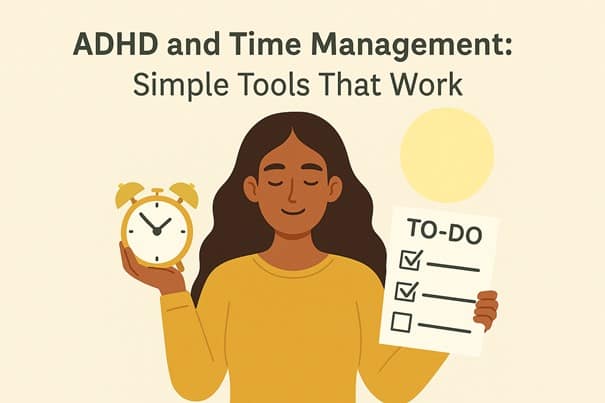


For individuals with Attention Deficit Hyperactivity Disorder (ADHD), creating a productive environment is crucial for success. A well-organized and minimally distracting space can significantly enhance focus and efficiency. Tailoring your workspace to suit the unique needs of ADHD can make a world of difference in everyday productivity.
Understanding ADHD and Its Impact
ADHD is a neurodevelopmental disorder characterized by symptoms such as inattention, hyperactivity, and impulsivity. These symptoms can often make it challenging to maintain concentration, complete tasks efficiently, and stay organized. However, by understanding these challenges, one can create an environment that supports the strengths of an individual with ADHD.
Organization: The Key to Clarity
One of the most effective ways to boost productivity is to implement a robust organization system. Start by decluttering your workspace. Remove unnecessary items and keep only essential tools within reach. Use labeled bins and drawers to store supplies. Color-coded files can also be beneficial, as they provide quick visual cues that help in locating documents swiftly. Additionally, digital organization tools like calendars and apps can help track tasks and deadlines.
Minimizing Distractions
Distractions can be particularly challenging for individuals with ADHD. To combat this, choose a workspace location that is quiet and free from excessive noise and movement. If possible, use noise-cancelling headphones or white noise machines to block out background noise. Limiting screen time and using apps that block distracting websites can also be very effective. Keeping the workspace tidy and free from visual clutter is equally important to maintain focus.
Optimizing the Workspace
Designing a workspace that caters to the sensory needs of someone with ADHD can improve comfort and productivity. Ensure that the seating is comfortable and supportive. Adjustable chairs and desks can provide the flexibility to change positions and reduce restlessness. Good lighting is also crucial; natural light is ideal, but if unavailable, full-spectrum bulbs can simulate daylight and reduce eye strain.
Incorporating Breaks and Movement
Regular breaks are essential for maintaining focus and energy levels. Incorporate short, frequent breaks into your routine to prevent burnout. During these breaks, engage in physical activities such as stretching, walking, or even a quick exercise session to release excess energy and improve concentration.
Creating a productive environment for ADHD involves understanding and addressing the specific challenges faced by individuals with this condition. By organizing effectively, minimizing distractions, and optimizing the workspace, one can significantly enhance productivity and focus. These strategies not only help in managing ADHD symptoms but also empower individuals to leverage their unique strengths in achieving success.