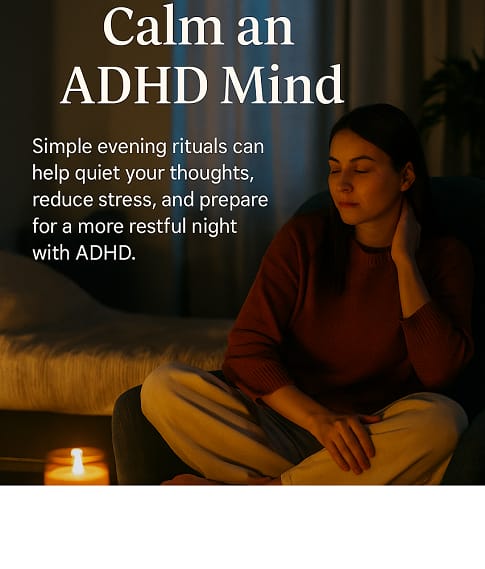


In today’s fast-paced and constantly connected world, finding moments of peace and clarity can feel like an impossible task. However, the practice of mindfulness offers a powerful tool to navigate the pressures of modern life, enabling individuals to cultivate a greater sense of calm, focus, and emotional resilience. This article explores what mindfulness is, how it can be integrated into daily routines, and the profound benefits it offers for mental and physical well-being.
Understanding Mindfulness
At its core, mindfulness is the intentional practice of being fully present and engaged in the moment without judgment. This ancient concept has roots in Buddhist meditation but has been widely adopted in contemporary psychology and wellness disciplines for its practical applications. Unlike multitasking or operating on autopilot, mindfulness invites us to experience each moment with awareness, noticing sensations, thoughts, and emotions as they arise.
The Science Behind Mindfulness
Research has increasingly validated the benefits of mindfulness in enhancing brain function, reducing stress, and improving overall health. Studies using neuroimaging techniques reveal that regular mindfulness practice can increase gray matter density in areas of the brain responsible for learning, memory, emotional regulation, and empathy. Furthermore, mindfulness helps deactivate the amygdala—a region involved in the fight-or-flight response—thereby lowering anxiety and reactivity.
Practical Mindfulness Exercises
Incorporating mindfulness into everyday life does not require hours of meditation. Simple activities like mindful breathing, body scans, or even mindful walking can be extremely effective. For instance, mindful breathing involves focusing attention on the inhale and exhale, gently bringing your mind back whenever it wanders. A body scan consists of methodically tuning into different parts of the body, noticing sensations with curiosity rather than judgment.
Mindfulness in Daily Routines
Mindfulness can be seamlessly integrated into daily habits, enriching ordinary experiences. Eating mindfully entails savoring each bite—paying attention to the flavors, textures, and smells—which can lead to healthier eating patterns and greater appreciation of food. Similarly, mindful listening during conversations encourages deeper connections and empathy, as one becomes truly attentive without planning a response or judging.
Benefits Beyond Mental Health
The ripple effects of mindfulness extend beyond just psychological wellness. Regular practice has been associated with improved cardiovascular health, enhanced immune response, and even reduced chronic pain. By lowering stress hormones, mindfulness helps the body maintain balance and promotes recovery. This holistic impact makes it a valuable strategy for comprehensive health care.
Addressing Common Challenges
Despite its benefits, many people struggle to maintain a consistent mindfulness practice due to busy schedules, skepticism, or difficulty focusing. Starting with brief, guided sessions can build confidence and comfort. Apps and online resources offer accessible options to learn techniques and track progress over time. Importantly, mindfulness is a skill developed with patience, where progress is marked by moments of presence rather than perfection.
Ultimately, mindfulness invites us to live more fully, appreciating life as it unfolds moment by moment. As we become more aware of our internal and external experiences, we find an inner anchor that sustains us amid challenges and uncertainties. Embracing this practice gently reshapes how we interact with ourselves and the world, fostering a deeper sense of peace and meaningful connection.